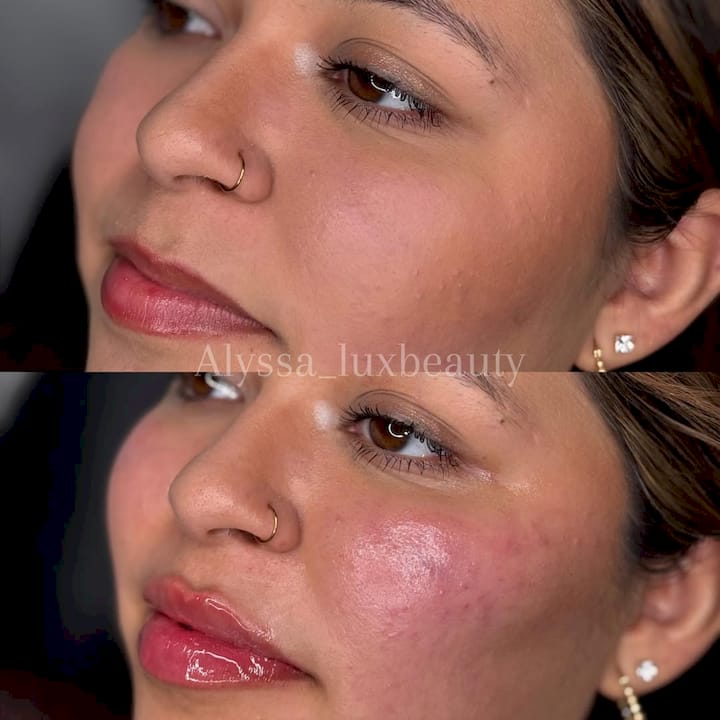
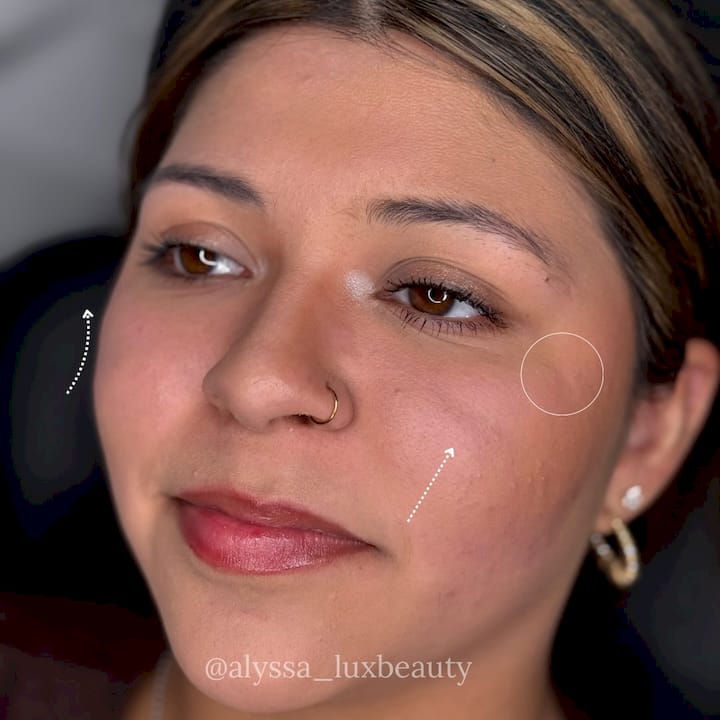
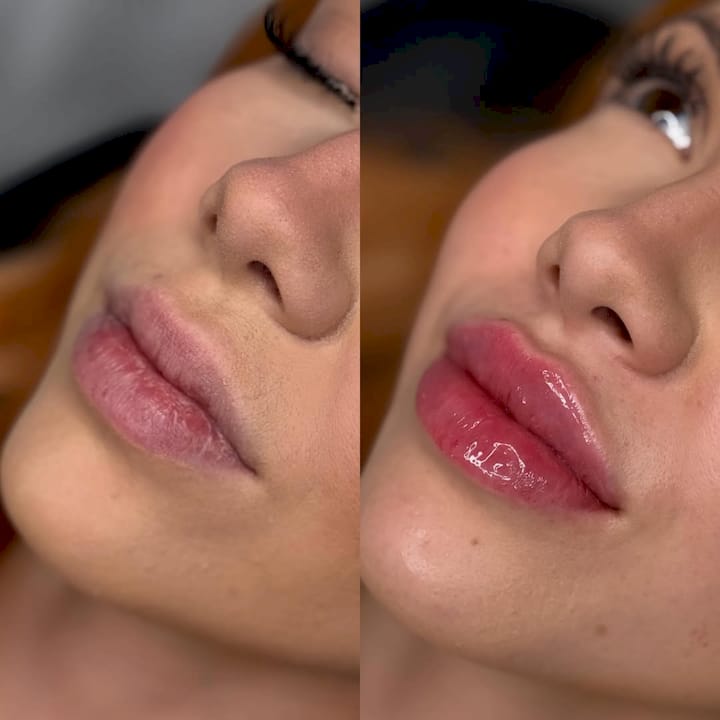
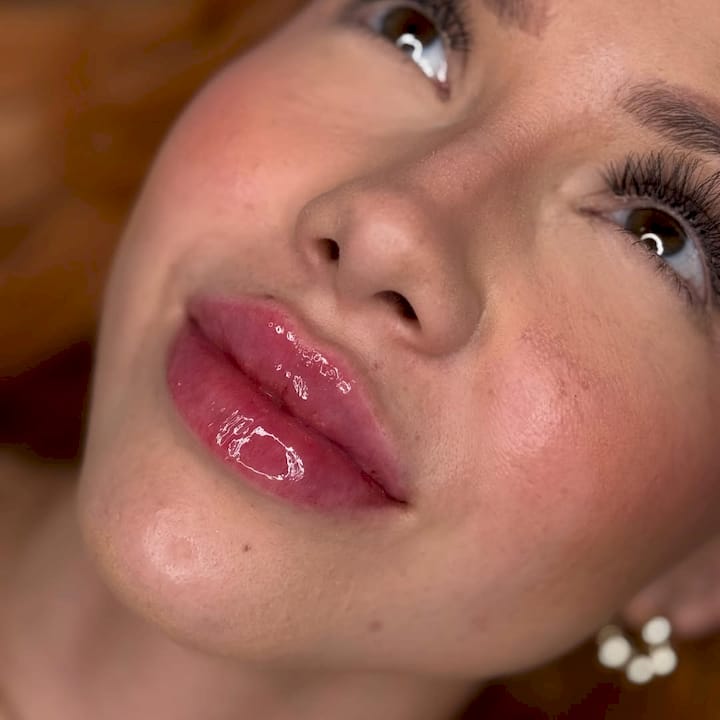
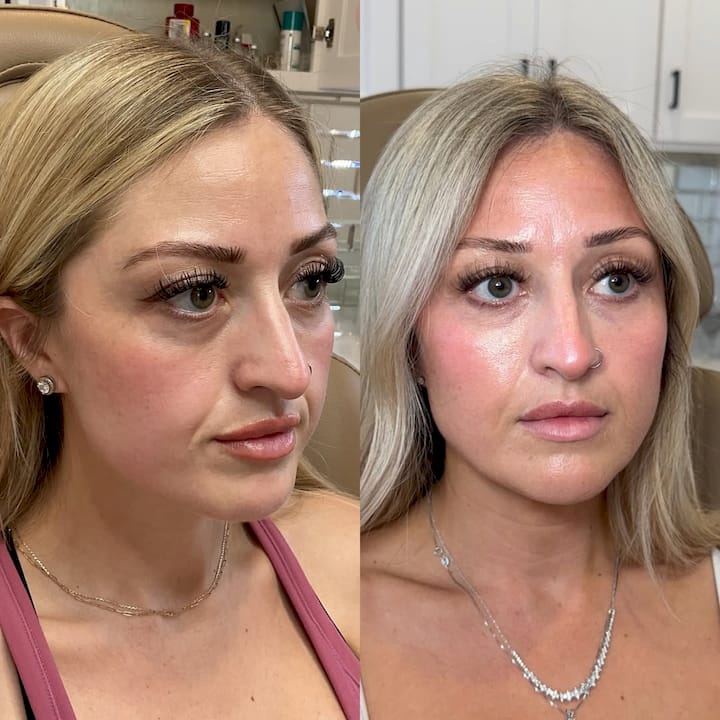
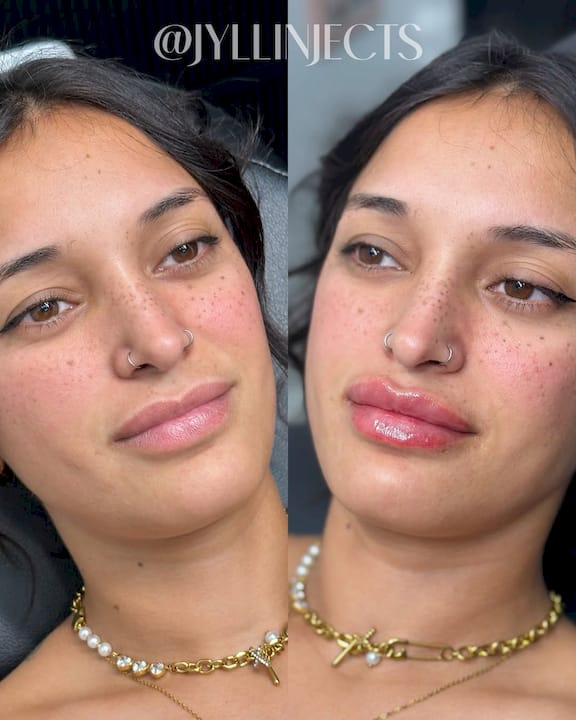
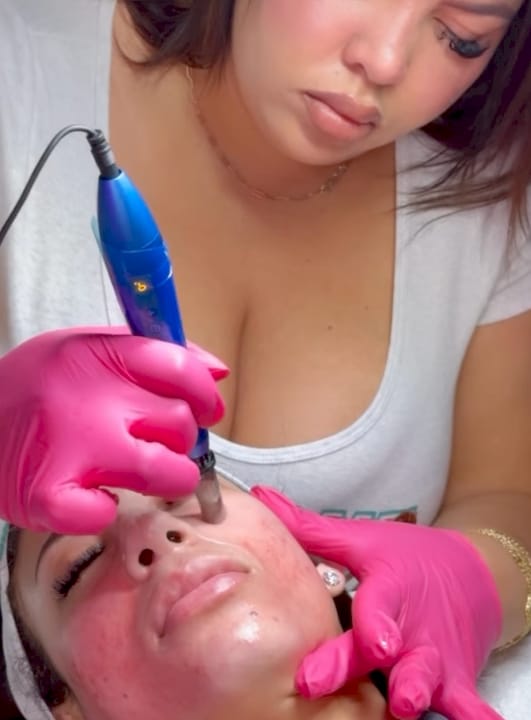
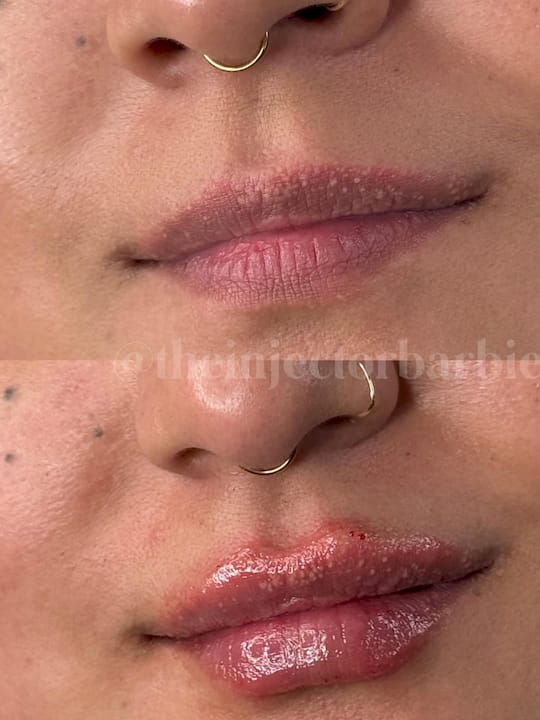
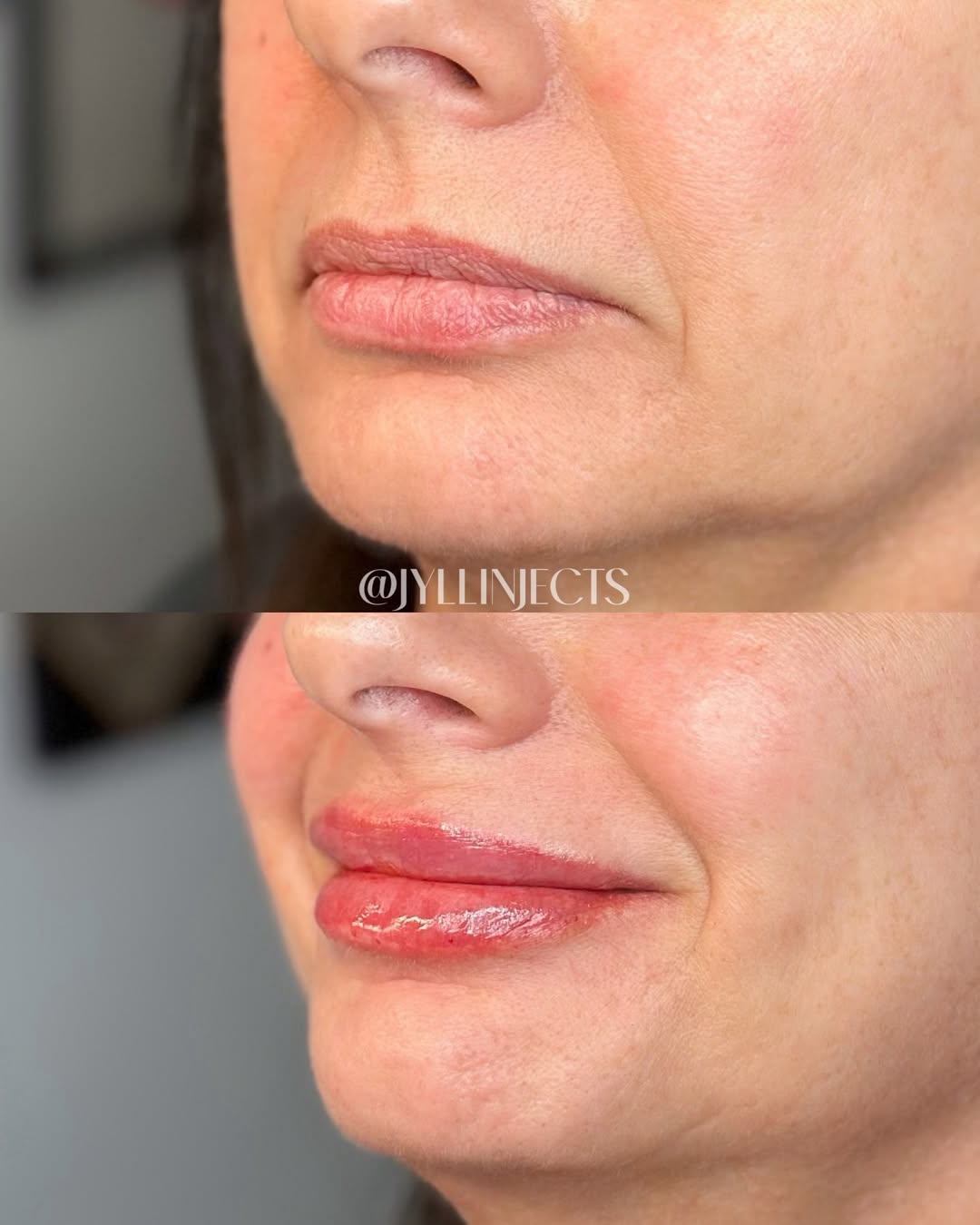
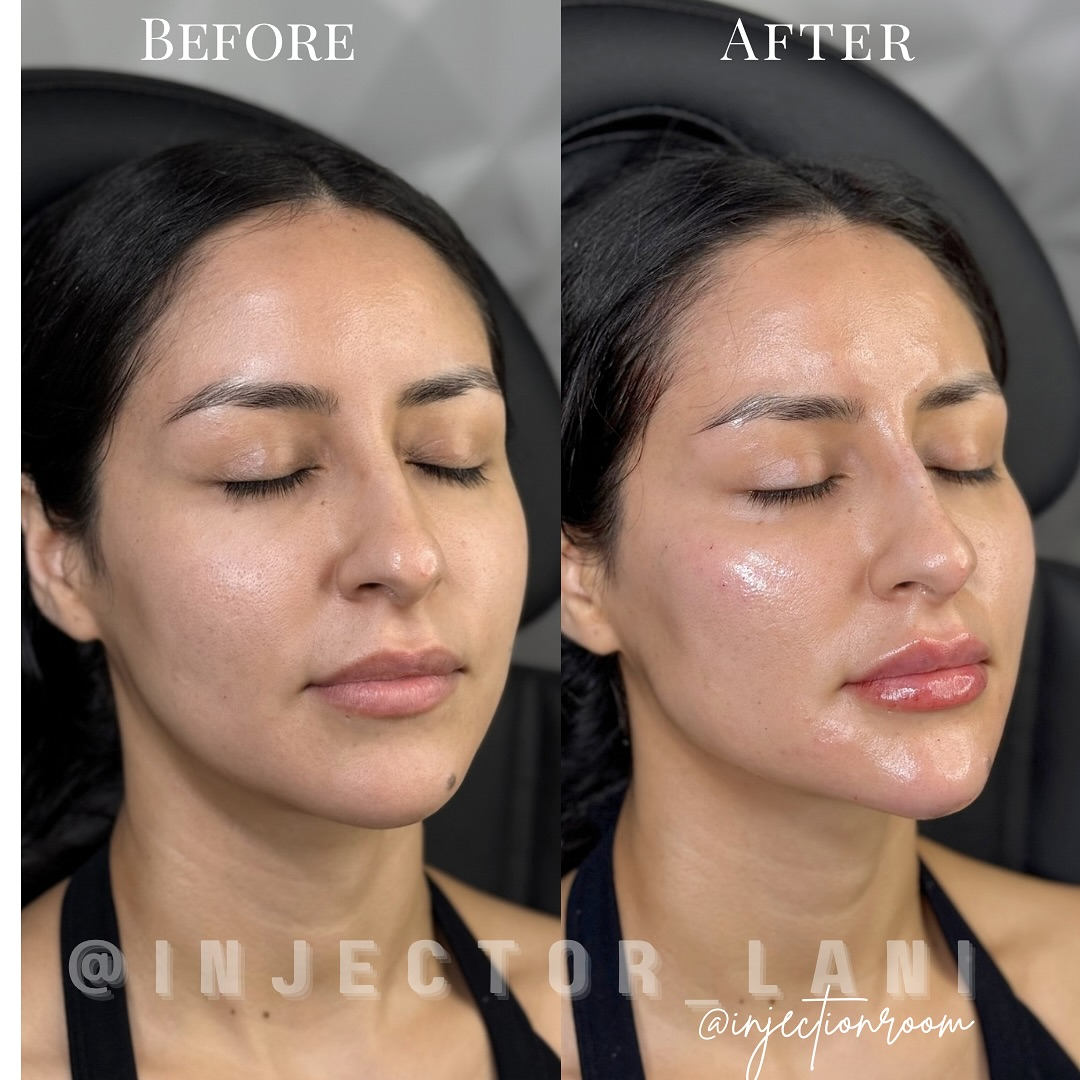
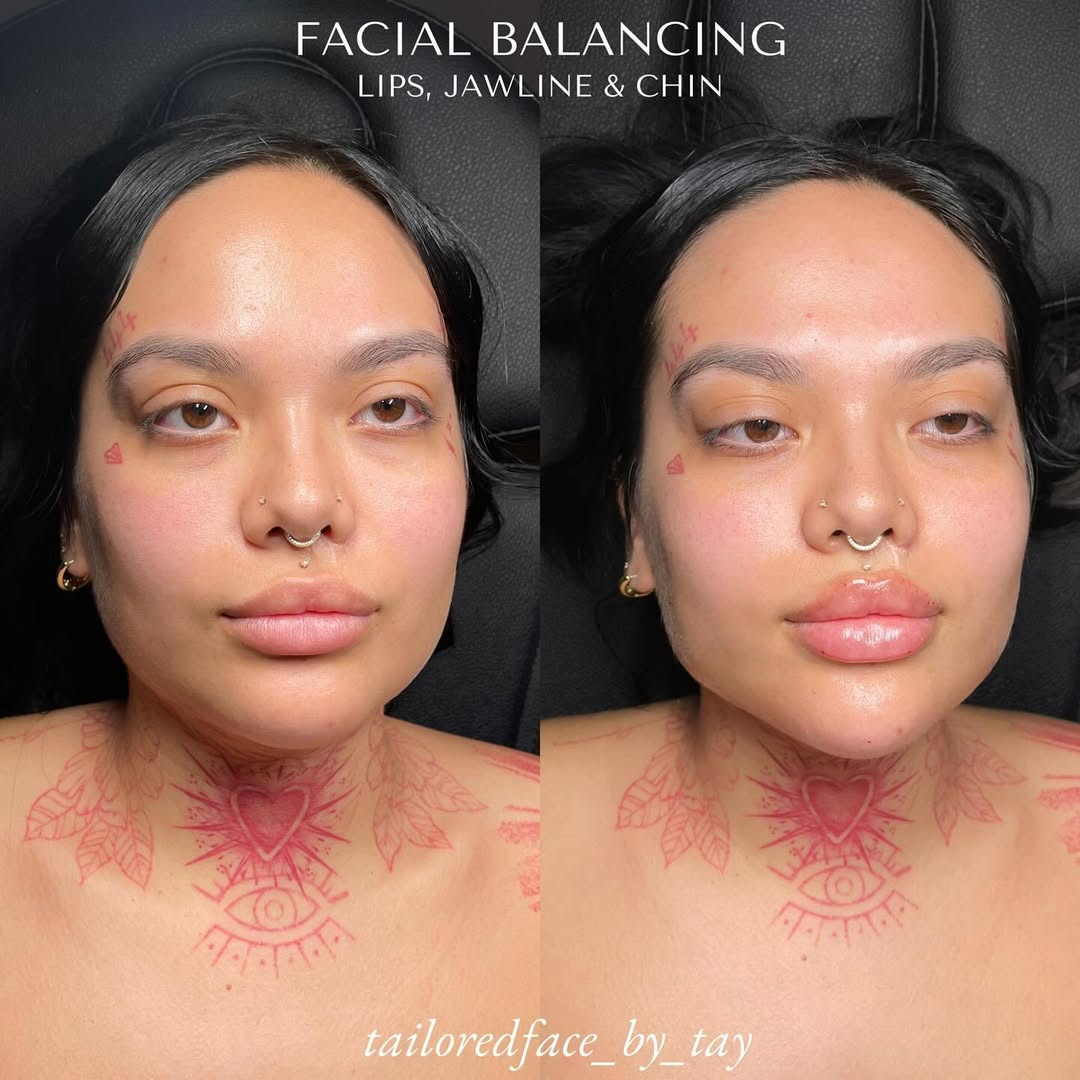
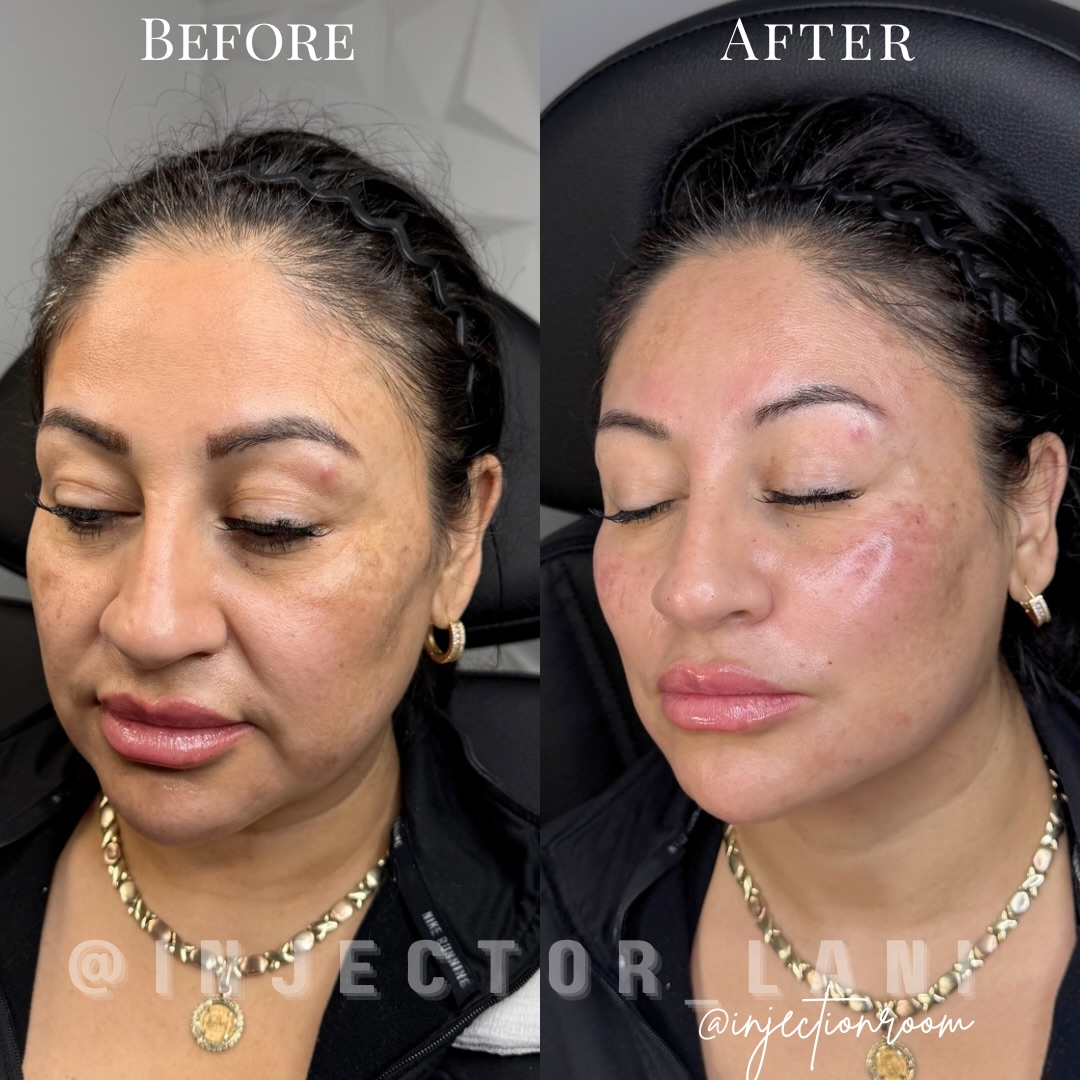
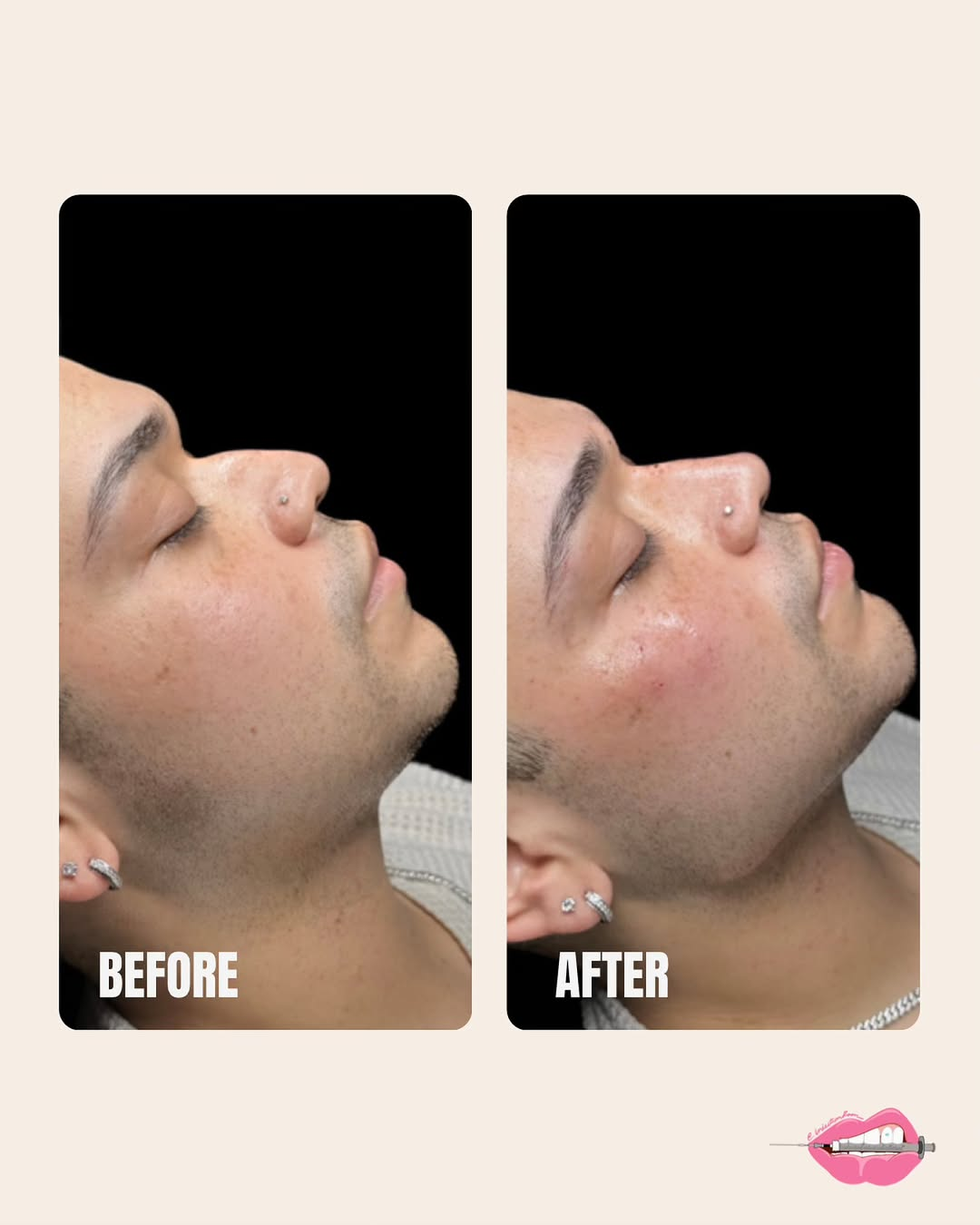
Nano needling is defined as a non-invasive skin treatment that creates microchannels no deeper than 0.15 mm in the upper epidermis to enhance product absorption, improve hydration, and refine skin texture. The industry term you’ll see in clinical settings is nanoneedling, and it describes a procedure that sits firmly in the surface-treatment category. Unlike deeper needle-based procedures, nano needling benefits center on what happens at the skin’s surface: better moisture retention, a visible glow, and smoother texture with little to no downtime. For anyone in their 30s or 40s managing early signs of aging without wanting recovery time, that profile is worth understanding in full.
How nano needling works on your skin
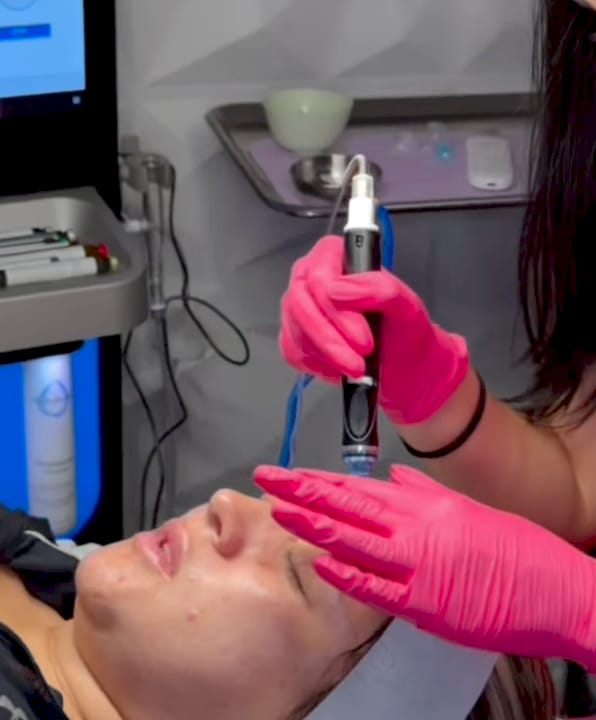
Nanoneedling devices use very fine silicone or stainless-steel cone tips to create superficial micro-channels in the upper epidermis and stratum corneum. The penetration depth stays at roughly 0.15 mm. That’s shallow by design. The goal is not to wound the skin deeply but to temporarily increase its permeability so that active skincare ingredients can travel further into the tissue than they would on intact skin.
Here’s what that means in practice. When your skin’s surface is briefly opened at that micro-level, serums containing hyaluronic acid, peptides, growth factors, or antioxidants absorb at a significantly higher rate. Nanotechnology in dermatology confirms that localized delivery and bioavailability of active ingredients improve measurably when the skin barrier is temporarily disrupted through microchannel techniques. The result is that the products applied during treatment actually reach the layers where they can work.
The treatment also produces mild superficial exfoliation and stimulates cellular turnover in the epidermis. Skin looks brighter and feels smoother within hours of a session. What it does not do is penetrate the dermis or trigger the fibroblast activity that produces new collagen. Traditional microneedling penetrates 0.2 to 2.5 mm to cause controlled micro-injuries that stimulate structural skin changes. Nanoneedling stops well before that threshold.
Key mechanisms at work during a nanoneedling session:
-
Temporary increase in skin permeability for deeper serum absorption
-
Mild exfoliation of the stratum corneum for immediate brightness
-
Stimulation of epidermal cellular turnover
-
Enhanced delivery of hydrating and active ingredients to the upper skin layers
-
No dermal injury, no bleeding, and no significant inflammatory response
Pro Tip: Ask your provider which serum they apply during the treatment. The quality and formulation of that product matters as much as the device itself, since the entire benefit of nanoneedling depends on what gets driven into those open channels.
What benefits of nano needling can you realistically expect?
The nano needling advantages that show up consistently across clinical and professional reports fall into four categories: hydration, texture, radiance, and product performance. Each one is real, but each one is also surface-level by nature.
Hydration and plumping. The most immediate and noticeable result is skin that looks and feels more hydrated. When hyaluronic acid or similar humectants are infused during treatment, they bind water in the upper skin layers. A clinical study of minimally invasive hydration treatments found that over 90% of subjects achieved moderate or better improvement in skin hydration, elasticity, and appearance within 28 days. That figure reflects what targeted hydration delivery can accomplish when the skin barrier is temporarily opened.
Smoother texture and refined surface. The mild exfoliation effect removes dull surface cells and evens out rough patches. People with congested pores or uneven skin tone often notice a visible refinement after a single session.

Radiance and brightness. The glow effect is one of the most cited nano needling results. Cellular turnover at the epidermal level brings fresher skin cells to the surface faster, which translates directly into a brighter complexion.
Better skincare performance. This benefit extends beyond the treatment room. Because nanoneedling temporarily increases skin permeability, the products you apply in the 24 to 48 hours after a session may also absorb more effectively. Your existing skincare routine gets a performance boost.
Suitability for sensitive skin. Nanoneedling appeals to first-time clients, sensitive or reactive skin types, and anyone wanting a maintenance or event-prep facial. People whose skin cannot tolerate chemical peels, retinoids, or more aggressive resurfacing often find nanoneedling to be the one treatment that delivers visible results without triggering a reaction.
Early fine line reduction. Mild fine lines caused by dehydration and surface texture irregularities respond well to nanoneedling. The plumping effect from improved hydration softens their appearance. This is not the same as structural wrinkle correction, but for fine lines in their early stages, the visual improvement is genuine.
What nanoneedling does not address: deep wrinkles, significant skin laxity, acne scarring with depth, or hyperpigmentation rooted in the dermis. Nanoneedling’s benefit scope is primarily superficial skin quality improvements, not deep structural corrections. Knowing that boundary upfront prevents disappointment.
Nano needling vs microneedling: which one is right for you?
These two treatments share a name and a general category, but they serve different purposes and carry different risk profiles.
| Feature | Nano needling | Microneedling |
|---|---|---|
| Penetration depth | Up to 0.15 mm (epidermis only) | 0.2 to 2.5 mm (into dermis) |
| Primary goal | Hydration, texture, absorption | Collagen stimulation, scar revision |
| Downtime | Minimal to none | 24 to 72 hours of redness |
| Pain level | Very low, no numbing needed | Moderate, topical numbing used |
| Best for | Sensitive skin, maintenance, glow | Wrinkles, scars, laxity |
| Collagen remodeling | No | Yes |
Microneedling reaches the dermis and triggers a wound-healing response that produces new collagen and elastin over weeks. That’s why microneedling benefits include measurable improvements in deep wrinkles, acne scars, and skin laxity that nanoneedling simply cannot replicate. If you’re in your 40s dealing with significant texture loss or scarring, microneedling is the more appropriate tool.
Nanoneedling earns its place as a complement to deeper treatments, not a replacement. Many providers use it as a maintenance session between microneedling appointments, or as a preparation treatment before an event when you need results without redness.
Safety is another meaningful distinction. Needle-based treatments like RF microneedling carry documented risks. The FDA has issued safety communications about serious complications including burns and scarring from radiofrequency microneedling devices when improperly used. Nanoneedling’s superficial depth makes it inherently lower risk, but provider training still matters. A poorly performed session with the wrong device or technique can irritate the skin barrier rather than support it.
Pro Tip: If you’re deciding between the two treatments, ask your provider to assess your skin concerns first. Nanoneedling is the right starting point for maintenance and glow. Microneedling is the right choice when you need structural change.
What to expect during and after a nano needling treatment
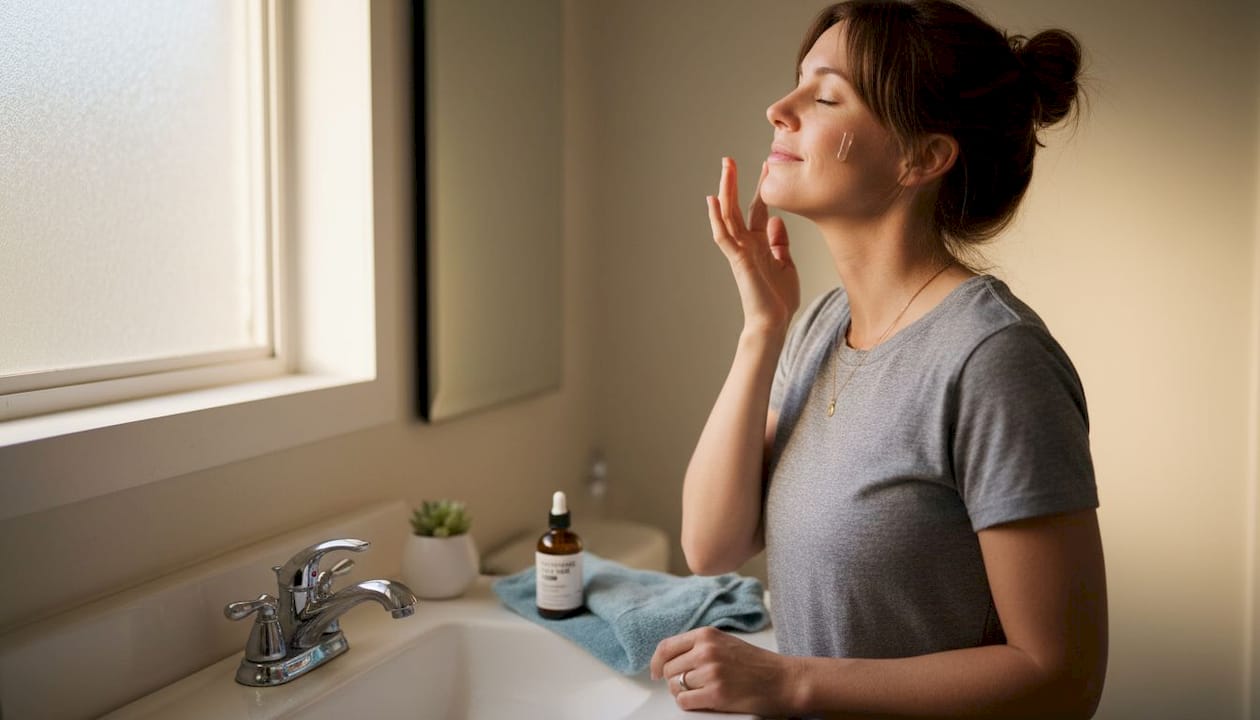
A standard nanoneedling session runs between 30 and 60 minutes. The treatment itself is comfortable. Most people describe a light vibrating sensation with no significant pain, and no topical numbing cream is required. Immediately after, skin may appear slightly flushed and feel warm, but that typically resolves within a few hours.
Here’s what to do in the 48 hours after your session:
-
Avoid heat sources including saunas, steam rooms, and hot showers for at least 48 hours. Heat increases inflammation and can disrupt the skin barrier while it’s in a temporarily sensitized state.
-
Skip active skincare products. Avoiding retinoids and acids for roughly 48 hours post-treatment protects barrier integrity and prevents irritation.
-
Apply only gentle, hydrating products. Hyaluronic acid serums, ceramide moisturizers, and fragrance-free SPF are ideal choices for the first two days.
-
Wear SPF every morning without exception. Freshly treated skin is more photosensitive, and UV exposure can reverse the brightness you just gained.
-
Avoid makeup for at least 12 to 24 hours if possible. Letting the skin breathe and absorb the treatment serums maximizes your results.
For frequency, most providers recommend nanoneedling every two to four weeks for a series of four to six sessions, followed by monthly maintenance. Overuse is a real concern. Barrier disruption can worsen with improper post-care or excessive treatment frequency, leading to increased sensitivity rather than improvement.
The device type your provider uses also affects outcomes. Silicone cone tips are generally considered gentler than stainless-steel options and are better suited for reactive skin types. If you’re considering an at-home device like a derma roller, understand that professional devices deliver more consistent depth control and sterile conditions than consumer tools.
Pro Tip: Schedule your nanoneedling session at least five to seven days before a major event. The immediate glow is real, but giving your skin a few days to settle produces a more polished, lasting result.
Key takeaways
Nano needling delivers genuine surface-level skin improvements through enhanced hydration, product absorption, and cellular turnover, but it does not replace deeper treatments for structural anti-aging concerns.
| Point | Details |
|---|---|
| Surface-level mechanism | Nanoneedling creates 0.15 mm microchannels to boost absorption, not collagen production. |
| Core benefits | Improved hydration, smoother texture, brighter skin, and better serum performance. |
| Not a microneedling replacement | Deep wrinkles, scars, and laxity require microneedling’s deeper dermal penetration. |
| Post-care is non-negotiable | Avoid heat and active ingredients for 48 hours to protect the skin barrier. |
| Best candidates | Sensitive skin types, first-time clients, and those maintaining results between deeper treatments. |
What I actually tell clients who ask about nanoneedling
I’ve seen nanoneedling oversold more times than I can count. Providers promise collagen remodeling, scar reduction, and results that rival a full microneedling series. That’s not what this treatment does, and setting those expectations does a disservice to clients who deserve honest guidance.
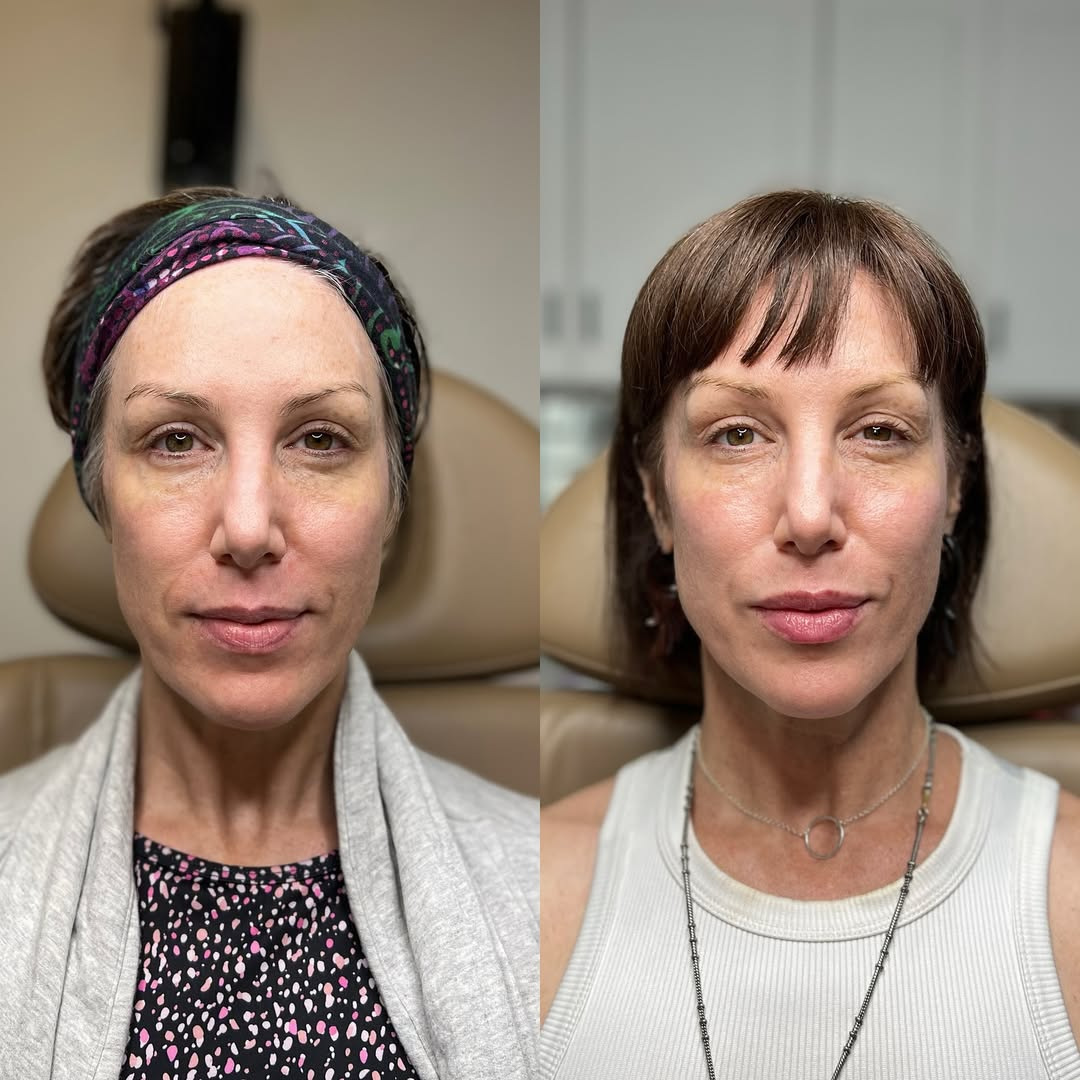
What nanoneedling does exceptionally well is give skin a reset. If your skin is dull, dehydrated, or just not responding to your skincare routine the way it used to, a nanoneedling session with a well-formulated serum can produce a visible difference within 24 hours. For someone in their 30s managing early fine lines and uneven texture, that’s genuinely useful.
Where I think the treatment earns its place most reliably is as part of a broader regimen. Nanoneedling every four to six weeks alongside a professional microneedling treatment every few months gives skin both the surface-level maintenance and the deeper structural work it needs as you move through your 40s. Neither treatment alone covers everything. Together, they address the full picture.
The one thing I’d caution against is treating nanoneedling as a shortcut. It’s not a substitute for consistent sunscreen use, quality skincare products, or the deeper treatments your skin may actually need. It’s a tool with a specific job. Use it for that job, and it delivers.
— Marina
Discover professional skin rejuvenation at Theinjectionroom
Theinjectionroom offers professional microneedling in Austin and San Antonio with a team trained in both surface-level and deeper needle-based skin rejuvenation. Whether you’re exploring nanoneedling as a first step or ready to address more significant skin concerns with a full microneedling protocol, the providers at Theinjectionroom assess your skin individually and recommend treatments based on what your skin actually needs. For clients who want visible radiance without downtime, the Glow Up Facial is another option worth exploring for skin brightening and surface refinement. Book a consultation to find out which treatment fits your skin goals.
FAQ
What are the main nano needling benefits for skin?
Nano needling improves skin hydration, texture, radiance, and the absorption of active skincare ingredients by creating superficial microchannels in the upper epidermis. It works best for early fine lines, dull skin, and barrier support rather than deep structural corrections.
Is nano needling effective for anti-aging?
Nanoneedling is effective for surface-level anti-aging concerns like dehydration, dullness, and mild fine lines caused by texture irregularities. It does not stimulate collagen remodeling, so it does not address deep wrinkles or significant skin laxity.
How does nano needling differ from microneedling?
Nanoneedling penetrates only 0.15 mm into the upper epidermis to enhance product absorption, while traditional microneedling reaches 0.2 to 2.5 mm into the dermis to trigger collagen production. Nanoneedling has no downtime; microneedling typically involves 24 to 72 hours of redness.
Can nano needling help with scars?
Nanoneedling is not effective for acne scars or depressed scarring because it does not reach the dermal layer where structural repair occurs. Microneedling is the appropriate treatment for scar revision.
How often should you get nano needling treatments?
Most providers recommend nanoneedling every two to four weeks for an initial series of four to six sessions, followed by monthly maintenance. Overuse can compromise the skin barrier, so following your provider’s recommended schedule is important.