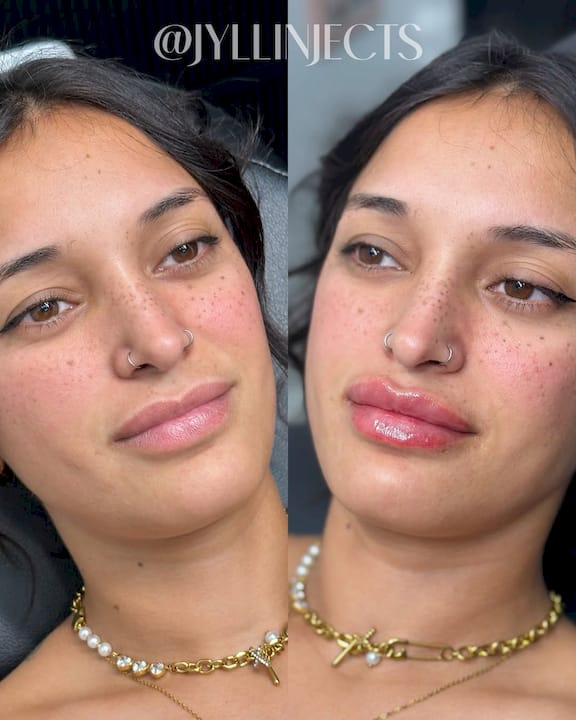
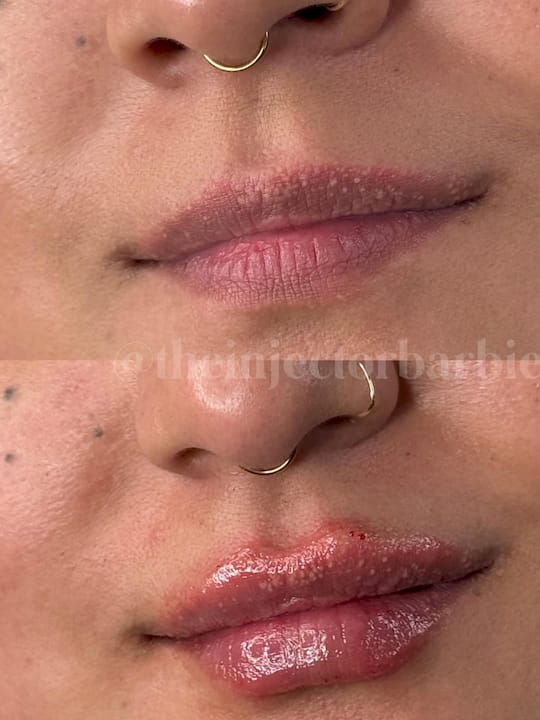
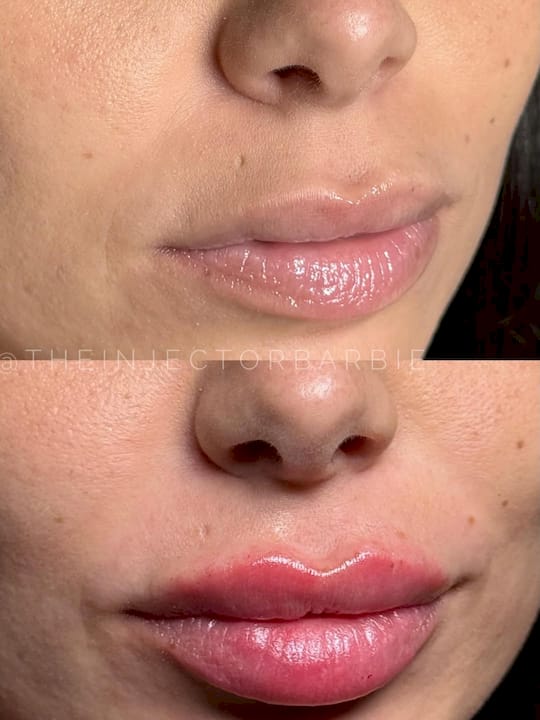
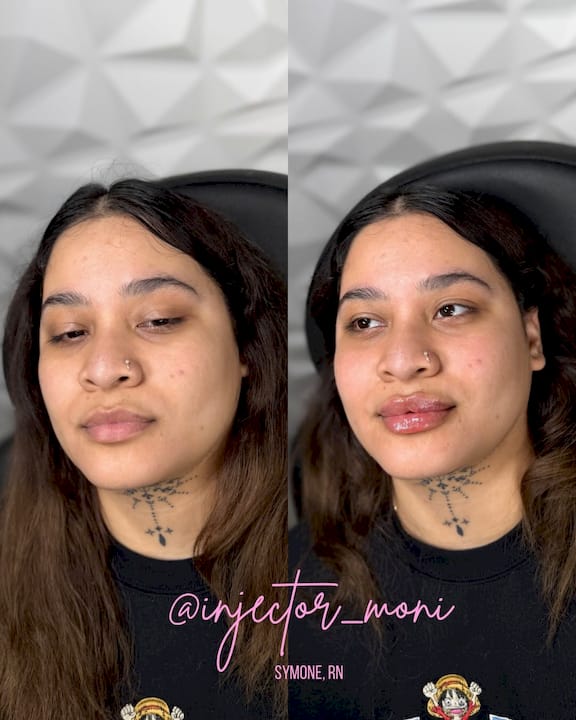
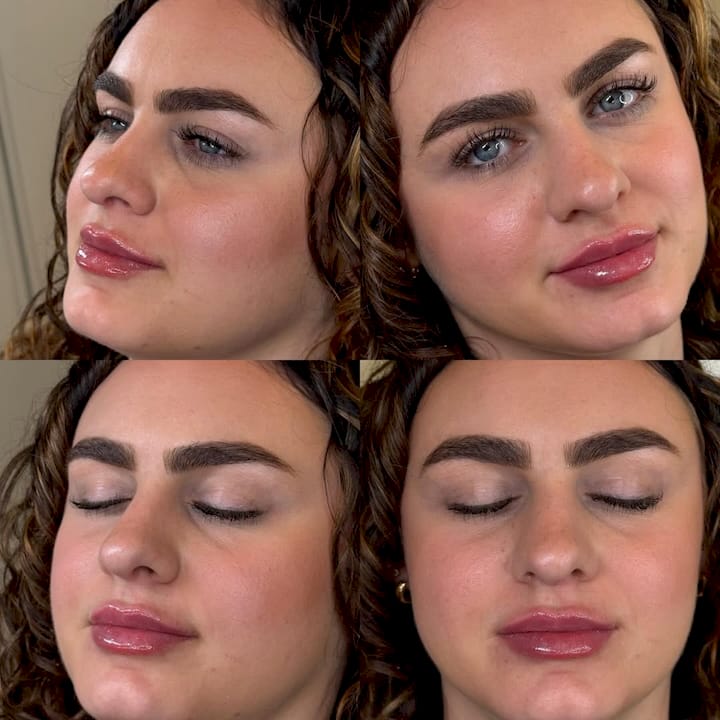
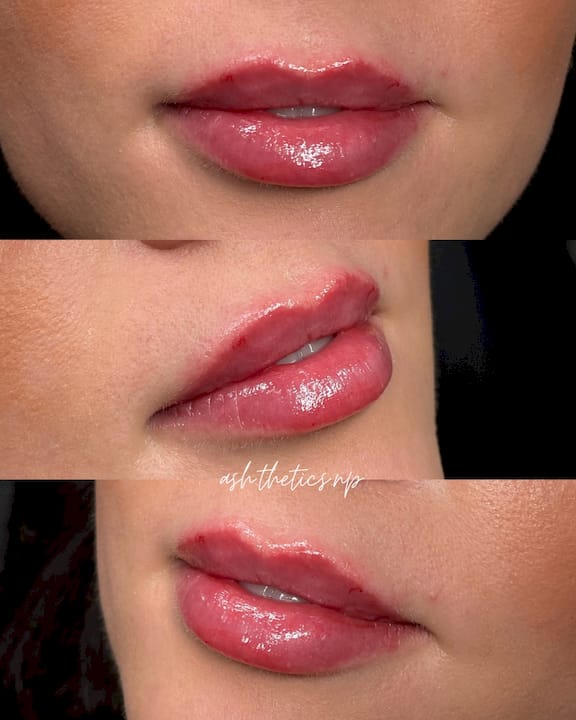
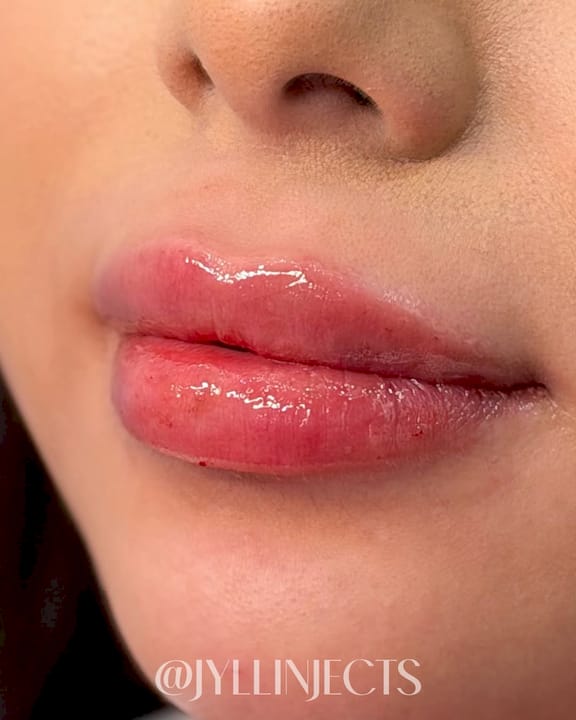
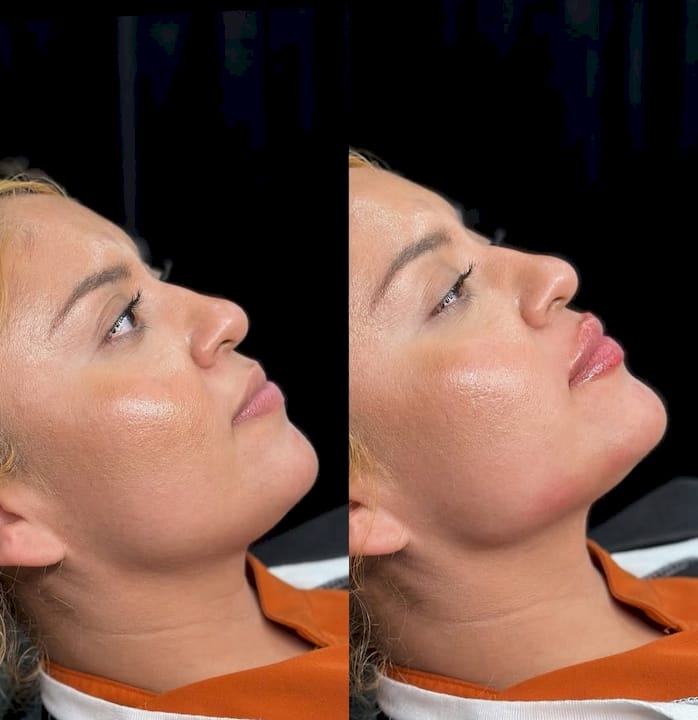
Lip filler migration gets confused with normal swelling more often than you might expect, and that confusion leads people to wait too long before getting help. Knowing what does lip filler migration look like is one of the most practical things you can do before or after getting lip filler. Migration is not some rare disaster. It happens to real patients, often because of factors that are entirely preventable. This guide breaks down the visual signs, the root causes, correction options, and what you can do right now to protect yourself.
Table of Contents
Key Takeaways
| Point | Details |
|---|---|
| Migration looks distinct | Blurred lip border, shelf-like protrusion, and a filler “mustache” shadow are the clearest signs. |
| Normal swelling resolves fast | Post-treatment puffiness typically clears up within 1 to 2 weeks; migration does not. |
| Overfilling is a major risk | Exceeding 1mL per session significantly increases the chance of filler shifting out of place. |
| Hyaluronidase can correct it | Most HA filler migration is reversible with enzyme injections, sometimes over multiple sessions. |
| Injector experience matters most | Choosing a skilled, licensed provider is the single most effective way to prevent migration. |
What does lip filler migration look like: visual signs
This is the question most people type into Google at 11pm after staring at their lips in a magnifying mirror. The answer is specific, and once you know what to look for, migration becomes unmistakable.
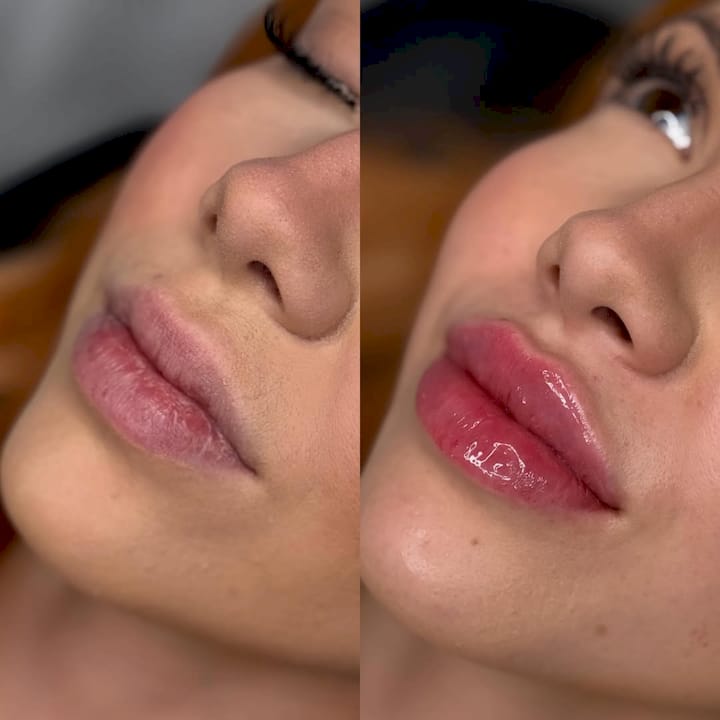
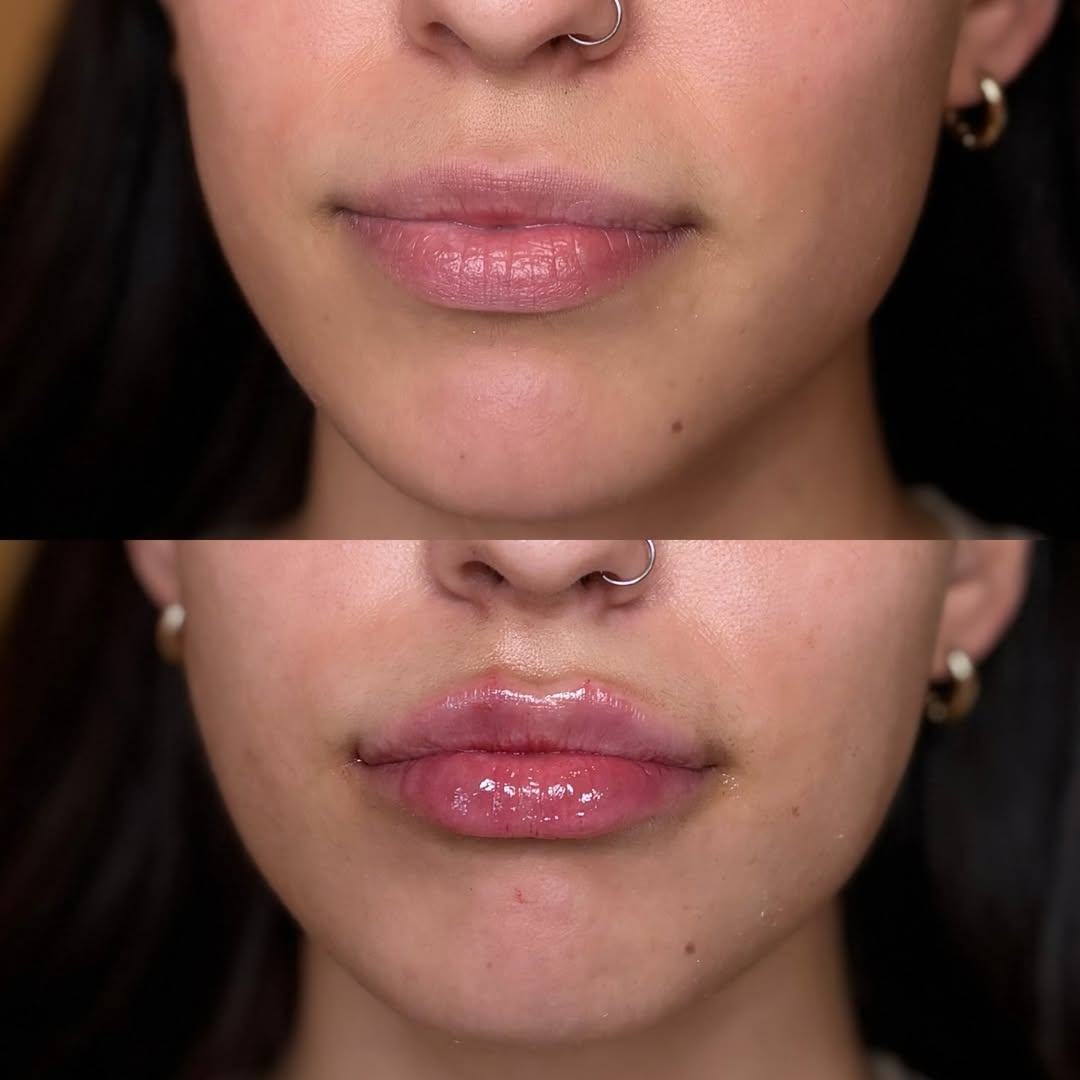
The most common visual sign is a blurred vermillion border. The vermillion border is the defined edge where your lip ends and your skin begins. When filler migrates, it seeps past that line, softening or completely erasing that crisp edge. Your lips start to look “melted” rather than defined.
A second major sign is what practitioners call a “filler mustache.” This happens when filler travels north, settling in the strip of skin between your upper lip and your nose. The result is a shadow or slight puffiness in that area that looks nothing like natural lip fullness. Migrated filler often produces exactly this shadow above the upper lip along with a loss of Cupid’s bow definition.
Then there is the “duck lip” protrusion. Migration can create a shelf-like ridge above the lip, making the upper lip appear to protrude outward rather than curl naturally. It looks stiff, flat on top, and nothing like a naturally full lip.
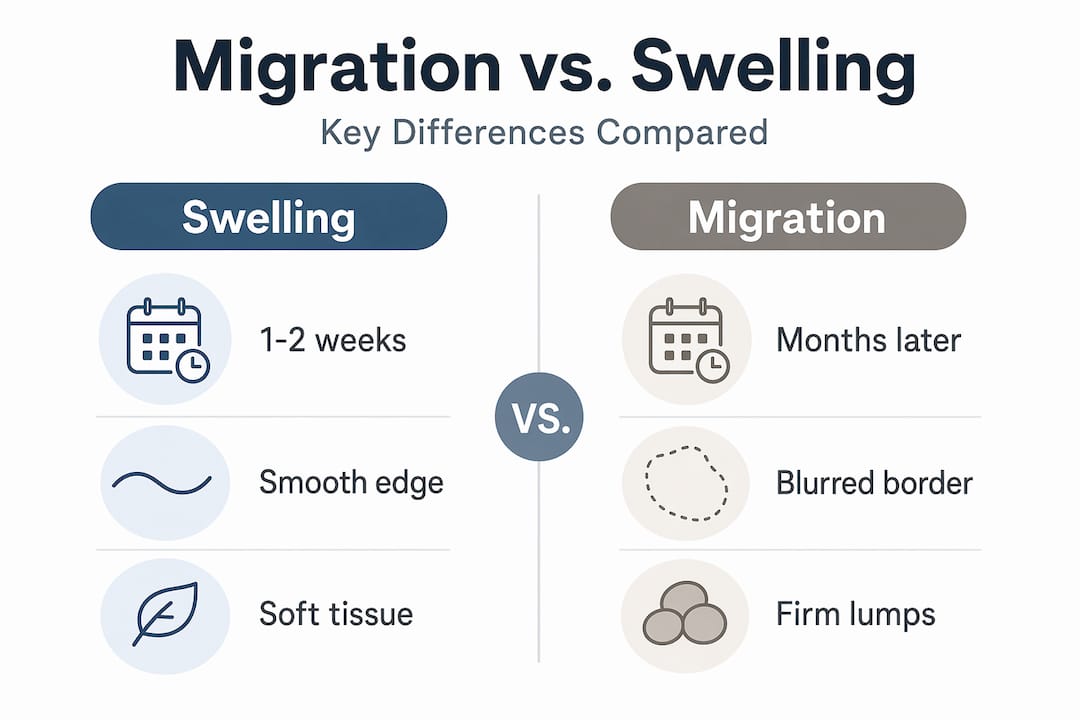
Here is a practical comparison to keep in mind:
| Feature | Normal post-treatment swelling | Lip filler migration |
|---|---|---|
| Duration | Resolves in 1 to 2 weeks | Persists for months |
| Border clarity | Stays mostly intact | Blurs or disappears |
| Texture | Soft, evenly distributed | Firm lumps, uneven ridges |
| Shape | Natural fullness | Shelf-like protrusion or shadow |
| Pain/discomfort | Mild, fades quickly | Can persist with pressure |
Normal swelling resolves within 1 to 2 weeks, while migration shows up as persistent firm lumps months after the procedure. If your lips still look off after two weeks and the texture feels uneven, migration is worth discussing with your provider.
Pro Tip: Take a photo of your lips immediately after treatment and again at the two-week mark. Comparing both images makes it much easier to spot whether changes are resolving naturally or worsening over time.
What causes lip filler migration
Understanding what causes lip filler to migrate puts you in a much stronger position. There is rarely a single cause. Migration usually happens when two or three contributing factors collide.
Mechanical pressure from muscle movement is one of the biggest drivers. The orbicularis oris is the ring of muscle surrounding your mouth. Every time you talk, laugh, or chew, that muscle contracts. Muscle contractions cause mechanical pressure that pushes filler out of place, especially when the product was placed too close to the surface. Filler placed deeper in the submucosal plane stays significantly more stable.
Injection depth and placement make a substantial difference. A practitioner who places filler too superficially, too close to the vermillion border, or in uneven concentrations creates a setup for migration. This is not about the brand of filler. It is about technique.
Overfilling is another clear culprit. Exceeding 1mL in a single session creates internal pressure inside the lip tissue, and that pressure pushes filler outward. More product does not mean better results. It often means faster problems.
Filler material itself plays a role too. Traditional hyaluronic acid fillers are relatively static. They sit where they are placed and do not adapt to the constant movement of lips. Newer options change that equation significantly.
Pro Tip: Ask your injector specifically where in the lip they plan to place the product and what volume they recommend. A knowledgeable provider will welcome that conversation without hesitation.
Here is a quick breakdown of the main contributing factors:
-
Superficial injection depth, placing filler too close to the skin surface
-
Overfilling beyond what the lip tissue can comfortably hold
-
Low-cohesivity fillers that do not hold their shape under pressure
-
Repeated treatments layered without dissolving previous filler first
-
Frequent and intense facial movement immediately after injection
How to fix lip filler migration
The good news is that most cases of migration in hyaluronic acid fillers are correctable. The path to correction depends on what type of filler was used.
For HA fillers, hyaluronidase is the standard fix. This enzyme dissolves hyaluronic acid relatively quickly. A provider injects it directly into the area of migrated filler, and the product breaks down. Hyaluronidase sometimes requires multiple sessions depending on how much filler is present and how densely it has accumulated.
The correction process generally looks like this:
-
Consultation with a licensed provider to confirm migration versus other complications
-
Assessment of filler volume, type, and location through visual exam or ultrasound
-
Hyaluronidase injection to dissolve the migrated HA filler
-
A waiting period of several weeks to allow full resolution before any new filler is placed
-
Optional retreatment with a better-suited product and refined technique
Non-HA fillers are a different story. Permanent or semi-permanent fillers cannot be dissolved with an enzyme. Non-HA filler complications sometimes require surgical removal, which is why medical-grade hyaluronic acid is so strongly preferred for lip work.
There are also things you should absolutely avoid if you suspect migration:
-
Do not attempt to massage or press the filler back into place. Self-massage can worsen inflammation and cause further displacement.
-
Do not seek correction from an unlicensed provider to save money. Non-medical grade filler corrections performed by unqualified individuals carry serious risks of irreversible damage.
-
Do not wait months hoping it resolves on its own. HA fillers do break down over time, but migration does not always self-correct cleanly.
Pro Tip: If you are unsure whether what you are seeing is migration or swelling, call your provider. Most reputable clinics offer complimentary follow-up appointments specifically for this reason.
After proper correction, read through solid lip filler aftercare guidance to understand how to protect your results going forward.
Preventing lip filler migration before it starts
Prevention is where the real leverage is. Most migration cases are avoidable when the right decisions are made before and immediately after treatment.
Your injector is the most important variable. An experienced, licensed provider who understands lip anatomy and filler behavior will place product at the right depth, choose the right material, and respect appropriate volume limits. Choosing an experienced injector significantly reduces migration risk. This is not the treatment to shop for on price alone.
The filler type matters more than most people realize. Traditional HA fillers are not designed for high-movement areas. Resilient hyaluronic acid fillers, specifically the RHA collection, are engineered differently. RHA fillers mimic natural skin movement rather than sitting rigidly in tissue, which dramatically reduces the chance of the product shifting under the constant pressure of speaking and eating. RHA fillers also provide a more natural look and feel due to their adaptive qualities.
Key prevention strategies to discuss with your provider:
-
Stay within the 1mL per session limit for new patients or those with untreated lips
-
Choose RHA or similarly resilient fillers for lips specifically
-
Follow aftercare instructions carefully, especially in the first 48 hours
-
Avoid vigorous exercise, extreme heat, and significant facial pressure right after treatment
-
Schedule a follow-up at two weeks so your provider can confirm placement
Pro Tip: If this is your first time getting lip filler, start conservative. You can always add more at a follow-up. You cannot easily undo overfilling without dissolving the product entirely.
For more on choosing the right filler for your specific lip goals, do the research before your appointment.
My take on what clients get wrong about migration
I have seen a consistent pattern with clients who come in concerned about migration. Most of them waited too long to say something because they assumed what they were seeing was either normal swelling or their imagination.
Social media has created a distorted picture of what lip filler looks like and how forgiving the process is. Influencers post their results at three days post-treatment when swelling is still making everything look fuller. They rarely post the six-month update when migration has blurred their border. What I have observed in practice is that clients who come in with photos, ask specific questions, and attend their two-week follow-ups almost never end up in a correction situation.
The clients who end up needing dissolution are, more often than not, the ones who prioritized price over experience or who requested more product than their anatomy could support. One well-placed 0.5mL session with an RHA filler outperforms two rushed 1mL sessions with a cheaper static product every single time.
My honest advice: treat your follow-up appointment as non-negotiable. The two-week check is when problems are caught early, when corrections are easiest, and when you and your provider can plan the next step together. Do not skip it.
— Marina
Get expert lip filler care at Theinjectionroom
At Theinjectionroom, lip treatments in Austin and San Antonio are performed by experienced licensed injectors who take anatomy, product selection, and patient goals seriously. The team works with advanced fillers designed to move naturally with your lips, minimizing the risk of the migration patterns described throughout this article. Every appointment starts with a real consultation where your concerns are heard and your options are explained clearly. If you are considering lip filler for the first time or looking to correct a previous treatment, book a lip filler consultation with a provider who prioritizes natural-looking, lasting results. You deserve care that is worth your trust.
FAQ
What does migrated lip filler look like?
Migrated lip filler typically appears as a blurred or erased lip border, a shelf-like upper lip protrusion, firm lumps above the lip, and sometimes a shadow between the nose and upper lip. These signs persist beyond the normal two-week swelling window.
Is lip filler migration permanent?
No. Most lip filler migration involving hyaluronic acid products is reversible with hyaluronidase injections. Non-HA fillers are more difficult to correct and may require additional procedures.
What causes lip filler to migrate most often?
The main causes are overfilling beyond 1mL per session, superficial injection placement, low-cohesivity filler materials, and the mechanical pressure from orbicularis oris muscle contractions during normal facial movement.
How long does it take to notice lip filler migration signs?
Migration can appear anywhere from a few weeks to several months after treatment. If your lips still look uneven or your border is blurring after two weeks, contact your provider for an assessment.
Can you prevent lip filler migration?
Yes. Choosing a qualified, experienced injector, selecting resilient fillers like RHA, staying within safe volume limits, and following proper aftercare steps are the most reliable ways to reduce migration risk significantly.